Standards
Every line says where it came from
A printed line is only useful if a reader can check it. That means the office, the instrument and the date of the last print travel with the line, and a change is visible rather than silent.
The four marks
CURRENT
The line matches the source as printed today. It stays on the sheet until its reset date.
RESETS
A dated event will replace the figure or the rule. The reset date is printed in the row.
FADED
The line has outlived its own date. It stays visible so the record shows what was true then.
CORRECTED
A printed line was wrong. The correction sits beside the original, with the date it changed.
A line can carry one mark at a time. When a corrected line expires it becomes faded, and the correction note stays in the record below it. The desk does not stack marks, because a line with two marks is a line that has not been read carefully.
Sourcing rule
Every line names the office that owns it and the instrument it comes from: an Act, a regulation, a budget table, a published calendar or a statistical release. A line that cannot name its instrument does not print, however widely it is repeated.
Where two official sources disagree, both figures go on the sheet with a note describing the difference. The desk does not average them, choose the friendlier one, or quietly drop the older document. Disagreement between offices is information about the record, and readers can use it.
Telephone confirmations are logged with the officer’s name and the time of the call. They are enough to hold a line for a day while the written instrument is found. They are not enough to print a new line.
Corrections
A correction is printed under the line it corrects, with the date and the nature of the change. The original wording stays visible. The desk does not edit an old sheet, does not remove a corrected line from the binder, and does not describe a correction as a clarification when a number was wrong.
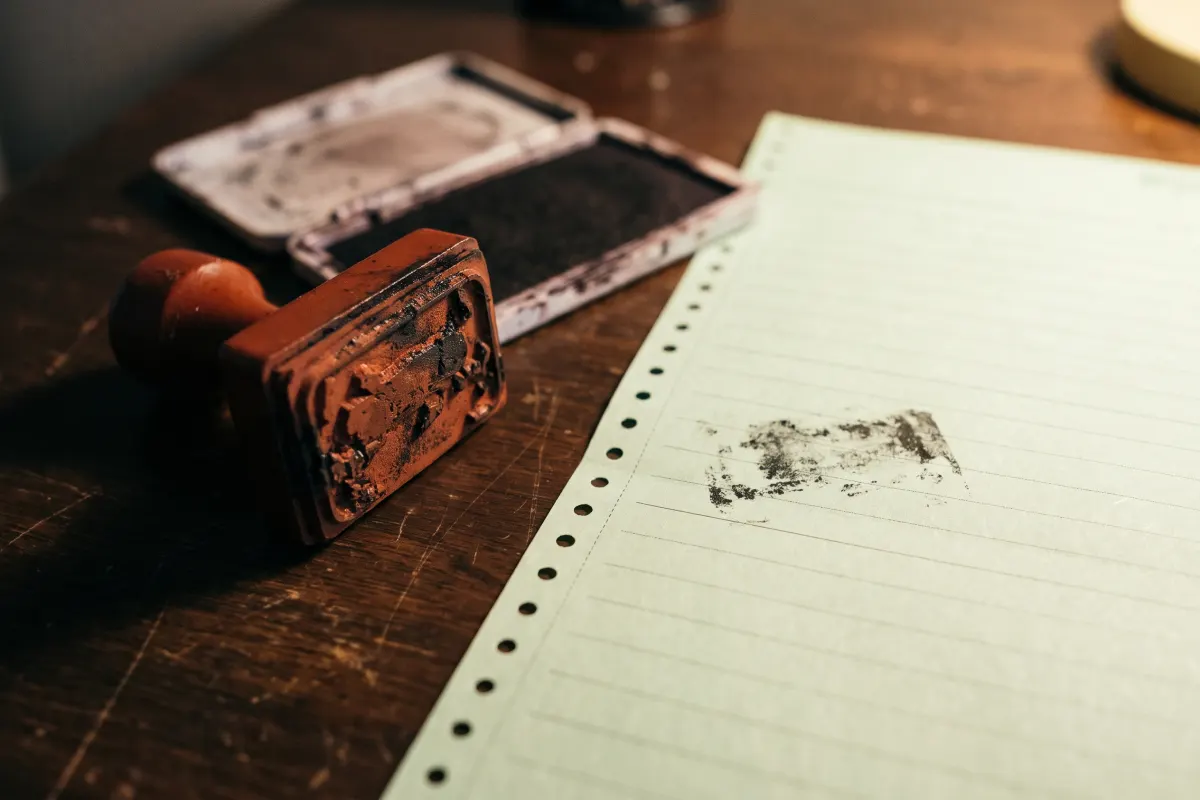
Substantive corrections are held to the same standard as the original line: two readers, the instrument, and the office that owns it. Minor typographical fixes are noted at the foot of the sheet without a rust mark, since they do not change what a reader would take from the line.
Contesting a mark
A reader who thinks a line is wrong, or who thinks a faded line should be restored, can send the printed line and the document that contradicts it through the intake form. The desk answers within two working days. If the reader is right, the line is reprinted with a rust mark. If the reader is wrong, the reply names the instrument that settles it, and that answer is kept with the line.
What does not appear on the sheet
No advertising, no sponsored lines, no affiliate links and no paid placement. No personal contact details for staff, because the intake form is the only channel and a named officer is not a public address. No tracking scripts on this site, and no syndicated copy rewritten to look original.
The desk also refuses to print a date it has not read. That refusal sometimes costs a day against other outlets. It is the reason the binders are worth keeping.